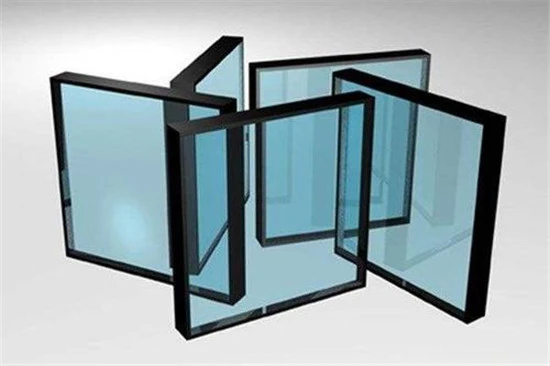
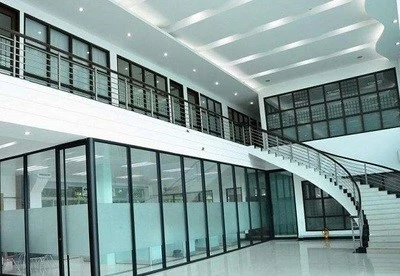
The technology of insulated safety glass involves leaving a certain space between two pieces of glass, which results in good properties such as heat preservation, soundproofing, and transparency. It is primarily used in places where indoor air conditioning is needed, such as homes, restaurants, hotels, factories, and office buildings, as well as on the windows of trains, cars, and ships. In regions with severe cold, it is particularly applicable. The translucency of common insulated safety glass is usually above 75%. The thermal performance of hollow glass is very good; in some cases, its insulation can be better than that of mud walls. According to statistics, the fuel consumption saved by using insulated safety glass instead of ordinary single-pane windows ranges from 40 to 50 liters per square meter. The soundproofing performance of insulated safety glass is also quite good, reducing noise by about 25 decibels. The dew point of common insulated safety glass is below -40 degrees Celsius.