


When it comes to the front windshield, many car owners overlook its existence, thinking that it only serves as a windshield at best, or can have a very small improvement in the drag coefficient. But don't underestimate it, the windshield is not ordinary glass. Unless you know, if you encounter a collision or an unexpected guest, the windshield will be the first barrier to ensure our safety.
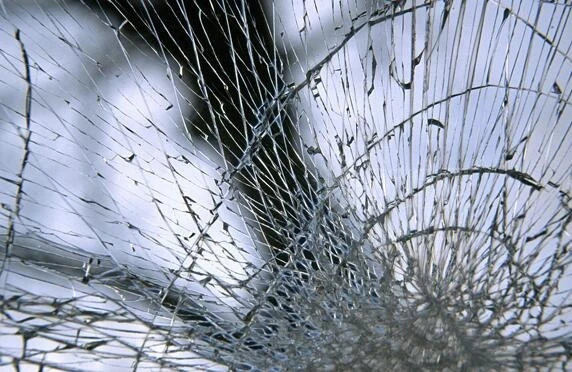
The reason behind this is that the front windshield we see is not a flat surface, nor is it just a thin layer, nor is it as sharp as the glass edges we see in our daily lives. The most important thing is that it will not splash even if it is smashed in time, and the damaged area will form a spider web, thus fundamentally protecting the safety of passengers.
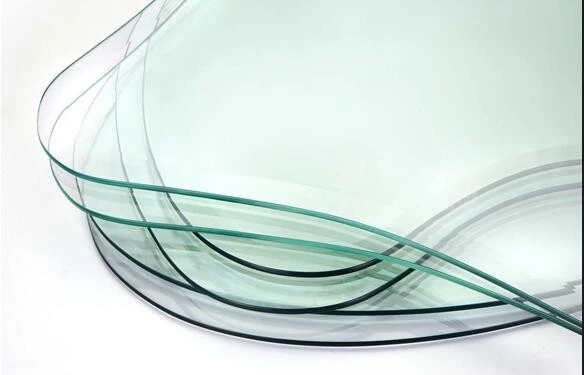
Although the front windshield may seem like ordinary glass, its manufacturing process is actually quite complex, and the high-quality glass produced through multiple processes will play a crucial role in critical moments. The raw materials include SiO2, Na2O, CaO, soda powder, CaCO 3 limestone, etc. Soda powder plays a role in reducing the melting point, while limestone is used to enhance strength and stability. After investigation, the production process of a windshield is as follows: original glass - cutting - grinding - cleaning - printing black edge silk screen - high temperature continuous bending - bonding - high pressure - packaging.
Mix the raw materials with water, heat them to a molten state, and send them into a floating chamber where there is melted tin liquid. The melted glass liquid floats on top of the tin liquid. The temperature of the tin liquid is above 1000°, and the outlet is controlled at around 600°. The glass is separated by a conveyor belt, forming a very flat glass surface initially. Next, the glass enters the annealing furnace, and the temperature of the glass further decreases to 200°.At this point, the glass has formed a solid state, and the next step is the cutting process.
A whole piece of flat glass is first cut into rough glass. When cutting, cutting oil is used to control the pressure and cutting depth. The cutting pressure should not be too high or too low, and the depth should be appropriate. If it is too deep, the glass will shatter, and if it is too shallow, it cannot be cut open. The function of edge grinding is to make the glass edge as smooth as possible, and the next cleaning is to remove impurities and particles on the glass surface with deionized water. Next, place the glass on the bending mold, which will vary depending on the size of the car. Heating to 600 ° synchronizes the shape of the glass and bending mold. Next, clamp the two pieces of glass together and place a PVB film in the middle. Note that there are strict requirements for the moisture content of PVB here. The initial pressure is used to expel air between the glass and the intermediate film and seal the surrounding area. The high pressure is used to completely eliminate bubbles in the stack and firmly bond, using a relatively uniform pressure and suitable temperature to completely expel gas and make the glass and PVB film completely bonded and transparent. Finally, a sample needs to be taken to test the strength of the glass. A 2.2kg iron ball is dropped from a height of 4m. If the iron ball cannot penetrate the glass, it meets the requirements.
Of course, a qualified front windshield also requires the correct maintenance method, and qualified glass water should be selected based on seasons and weather conditions. Some car owners believe that glass cleaning only removes surface stains and can be replaced with laundry detergent or detergent. Some car owners even use tap water directly, unaware that these actually pose safety risks. Long term use of chemical detergents such as laundry detergent can corrode rubber pipes, block spray nozzles, and even cause damage to motors. There are also many chemical precipitates in tap water, and long-term use can also cause clogging of the spray nozzle and hardening of the wiper blades. Long term use can also cause irreparable damage to glass.
In addition, it is necessary to choose wiper blades that match the vehicle model. If they come into contact with foreign objects such as fallen leaves or business cards, they should be cleaned up in a timely manner, otherwise they may scratch the windshield. The annual inspection and compulsory traffic insurance labels on the glass indicate that it is best to use static floor stickers, otherwise it is difficult to clean, and the offset should not be scraped off with hard objects, otherwise it may inadvertently damage the front windshield.
If we compare the engine to the heart of a car, then the front windshield is more like the eyes of humans, and its importance is self-evident. Only with a pair of bright eyes can our vision be more open. In the future, we must pay enough attention to it, and only by protecting it more effectively can it provide more security for our future travel.